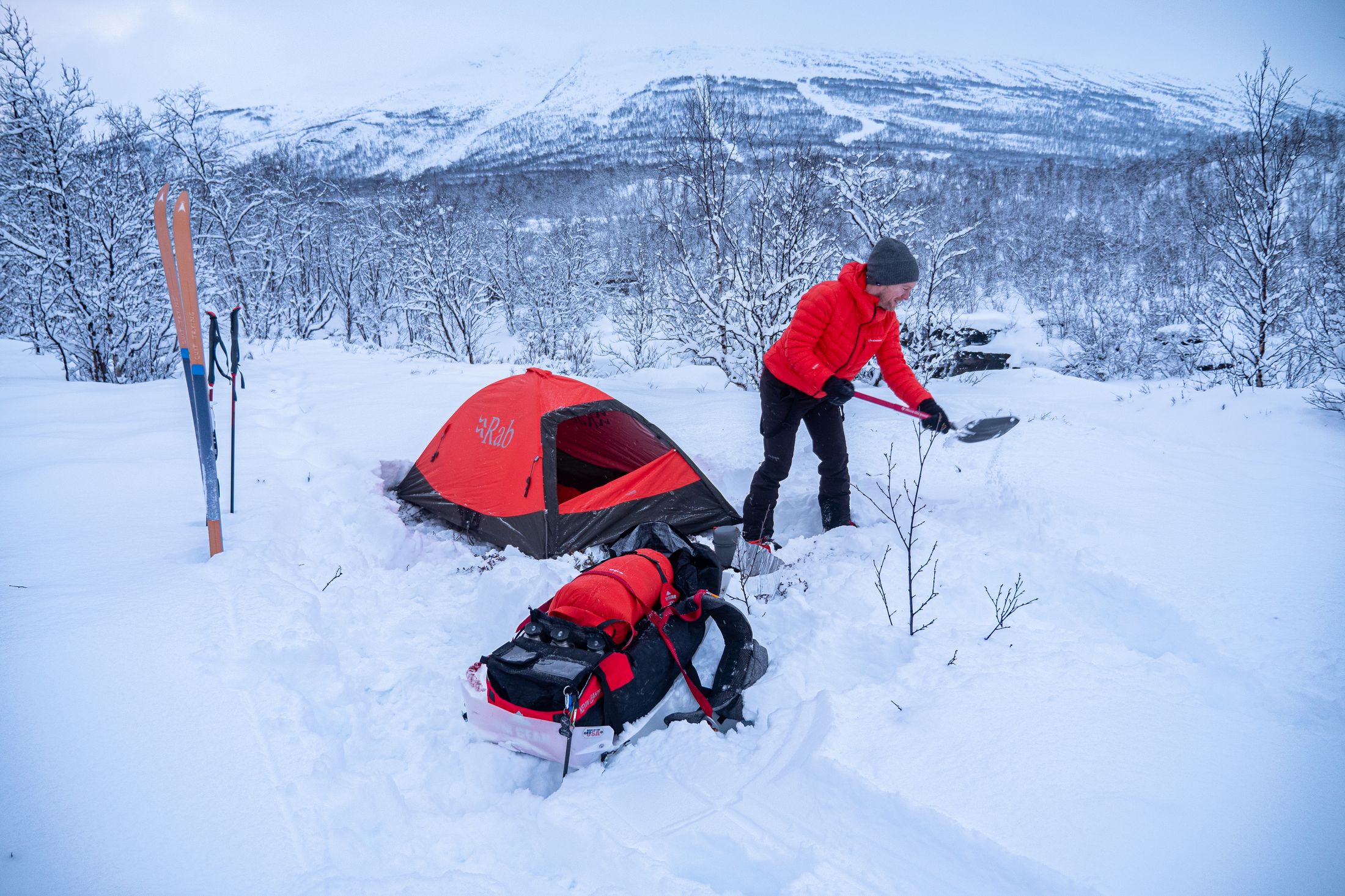
Medicine works differently at minus forty.
The Arctic Skills Course. Seven days in Arctic Lapland for clinicians: core expedition skills and applied cold-weather medicine.
Clinical capability is one part of the equation. Operating in extreme cold is the other.
The Arctic Skills Course is a dedicated pathway for medics working in remote, cold and high-consequence environments. One programme, two syllabuses: core Arctic expedition skills, then applied cold-weather medicine. Built for sound decisions on winter and cold-region deployments.
Field-based from day one.
January in Arctic Lapland: around eight hours of daylight, temperatures from minus five to minus forty. You train in the conditions, not in a classroom that simulates them.
The personal system
Equipment behaves differently in deep cold. Resources are finite. Small errors carry consequence. You build personal systems for heat, movement, equipment and fatigue, because your ability to function underpins your clinical role.
Clinical care in the cold
Presentations evolve. Interventions are modified. Decisions get made while evacuation is delayed, uncertain or complex. The course works through how care adapts when the environment is part of the clinical picture.
Two syllabuses, one week
Core cold-weather modules run alongside competitors preparing for the Arctic Spine races. The medical syllabus runs separately, for medics only.
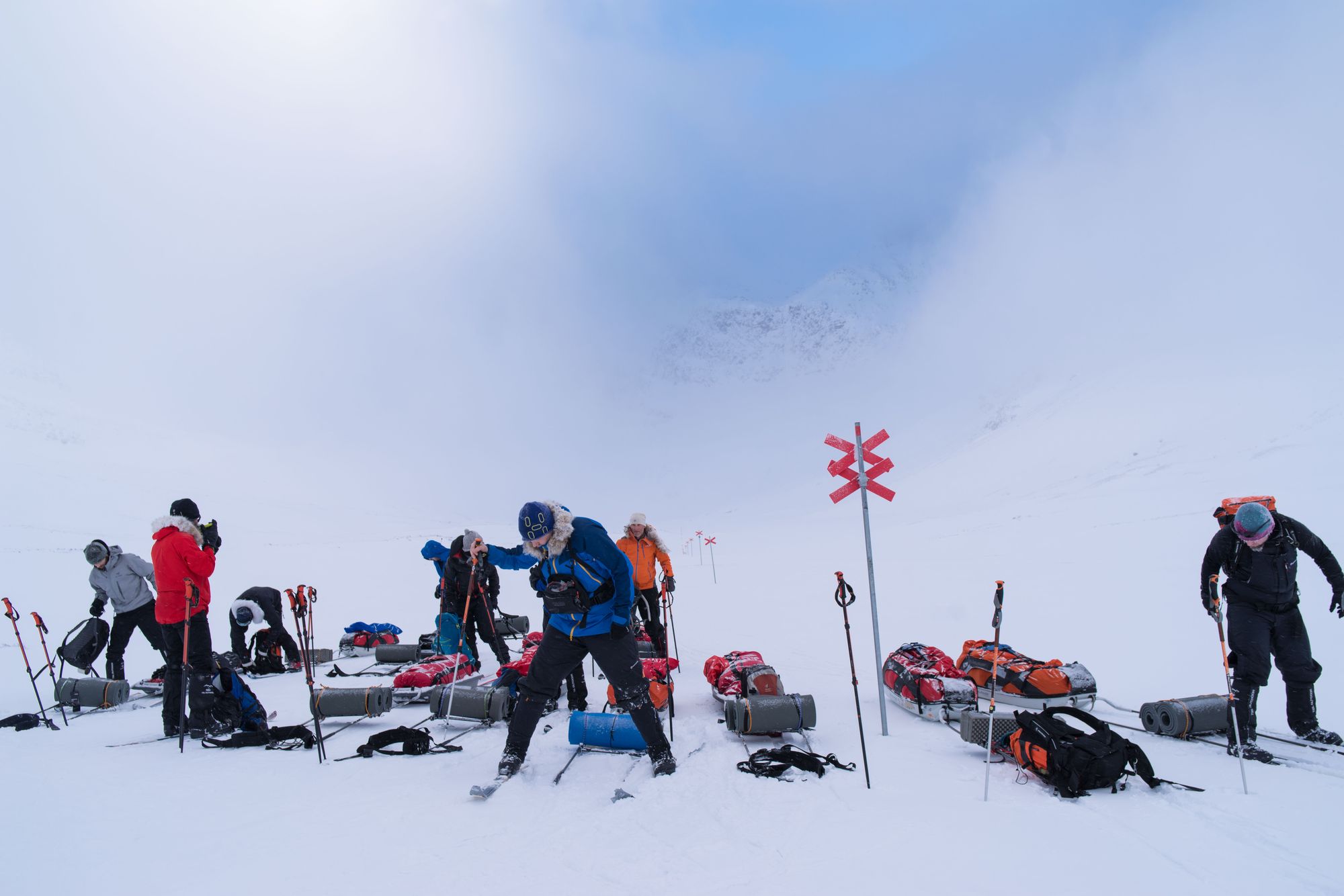
The foundation: living and moving in deep cold.
- Heat loss. The mechanisms, and how to manage them.
- Layering. Principles applied across dynamic and static conditions.
- Clothing systems. Selection and adaptation for performance and protection.
- Footwear systems. Effective use in prolonged cold exposure.
- Movement. Snow-covered terrain on snowshoes.
- Expedition equipment. Selection, use and management in sub-zero conditions.
- Shelters and tents. Deployment and management in the field.
- Campcraft. Practical routines for cold environments.
- Stoves and food. Safe use of expedition stoves and meal preparation.
- Nutrition and hydration. Sustaining output in the cold.
- Navigation. Map, compass and GPS in challenging conditions.
Clinical practice in the cold.
Delivered separately to the medic cohort, alongside the core skills.
Cold weather medicine
The physiological impact of cold on performance and patient presentation.
Hypothermia
Recognition, staging and field management in remote settings.
Freezing and non-freezing cold injury
Prevention, identification and early intervention.
Cold water immersion
Immediate response and the clinical considerations that follow.
Cold weather ocular injuries
Environmental eye injury, including snow blindness.
Burns, scalds and carbon monoxide
Stove-related risk in tents and enclosed expedition settings.
Expedition hygiene
Maintaining health and reducing illness risk in austere environments.
We teach what we do.
Drawn from our Arctic deployments.
Course scenarios come from GEM's Arctic operations: the Ice Ultra, the Arctic Spine races, Lapland expeditions.
Faculty who deploy
Our best operators teach. Clinicians and risk leads running GEM's hardest deployments.
Governance built in
Same clinical standard as a GEM deployment. Named clinical leads, evidence-based protocols, current expedition and wilderness medicine guidance.
Trained with the field
You learn the environment alongside the people who compete in it: the same population an event medic looks after on the ground.
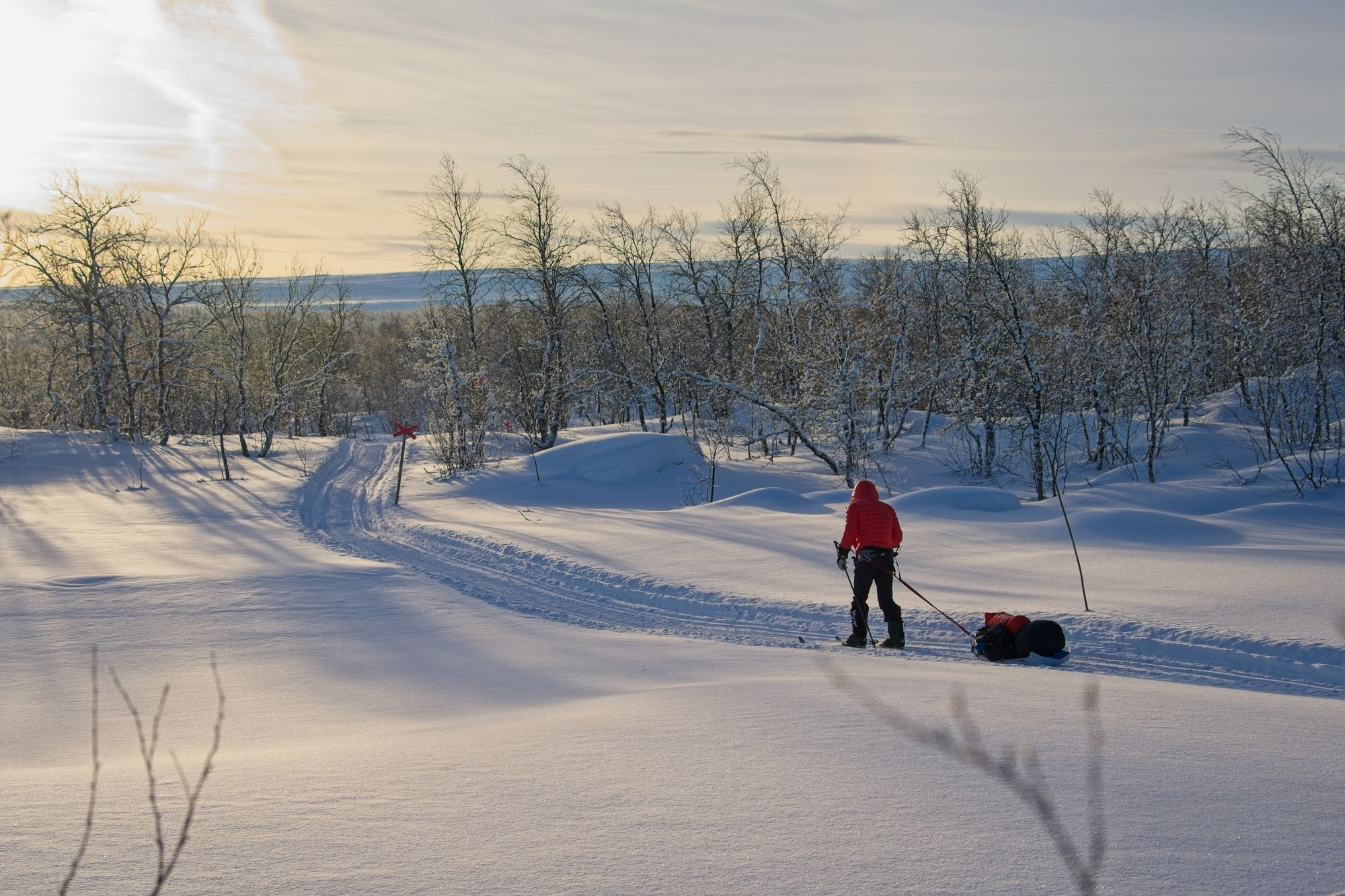
Pole to Pole Academy · Bygdeträsk, northern Sweden. A purpose-developed cold-weather training centre in the boreal forest. Accommodation, catering, equipment and training ground on one site, delivered alongside the Arctic Spine Skills Course.
Taught by people who operate in these environments.
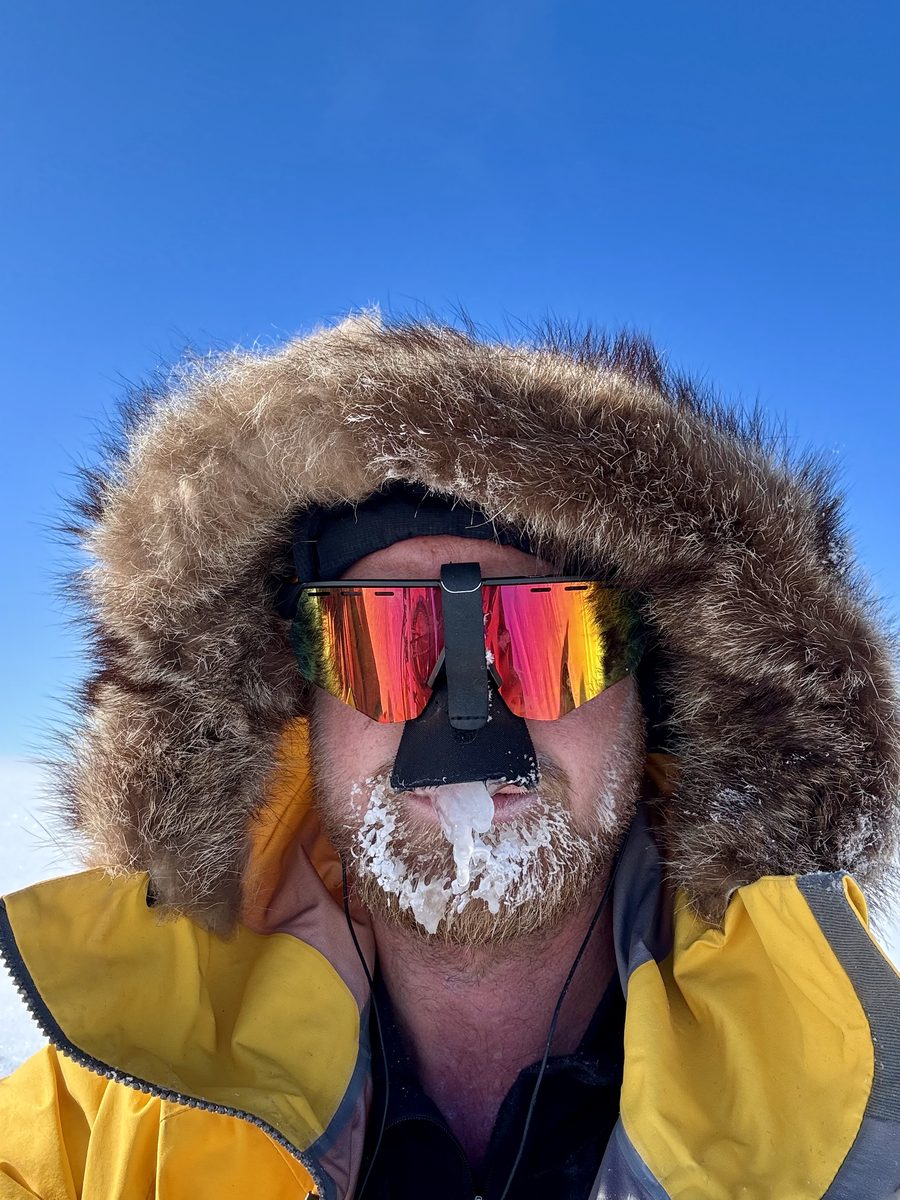
Sam CoxHead Instructor & Host
Sam Cox founded the Pole to Pole Academy after a 13-year career in the Royal Marines, where he operated in some of the world's most remote and unforgiving environments and led high-performing teams under extreme pressure. His military service took him to the furthest latitudes and harshest terrains, demanding resilience, precision, and the ability to perform when it mattered most. That ethos now drives everything Pole to Pole does: purposeful, demanding, designed to bring out the very best in those who take part. The Challenges and Adventures are carefully designed expeditions that reconnect people with the natural world, with resilience, and with themselves.
Built for clinicians.
Clinicians in remote, wilderness and expedition settings
Doctors, paramedics, nurses and allied health professionals operating in challenging environments.
Medics moving into cold-region work
Building the capability and confidence to take a clinical role onto winter deployments.
Event and expedition medics
Working the environments GEM operates in: endurance events, expeditions, remote projects.
The details.
Dates
8 to 14 January 2027 · 7 days
Location
Pole to Pole Academy · Bygdeträsk, Arctic Lapland, Sweden
Conditions
-5°C to -40°C · ~8 hours daylight · tundra and boreal forest
Travel
Nearest airport Umeå
Cost
£2,450
Places
Limited by the Academy's 20-guest capacity, shared with Arctic Spine competitors
Insurance
Mandatory · Medical and emergency repatriation cover for cold-weather expedition activity · Evidence of cover due 60 days before start